

Accepting New Clients
She/Her
Psychotherapist
|

Phone

Video
Meccana is a registered social worker with over 17 years of experience offering person-centered support and advocacy with families
Areas of Focus
|

Accepting New Clients

Accepting New Clients
She/Her
Psychotherapist
|
Phone
Video
Beidan Hassan is a Registered Social Worker who received her Masters of Social Work from the University of Toronto
Areas of Focus
|
A.jpg)
Accepting New Clients
She/Her
Psychotherapist
|
Phone
Video
Anisa offers therapy to adolescents and adults. She utilizes client-centred, holistic,trauma-informed and anti-oppressive approaches.
Areas of Focus
|
Helps you identify and shift unhelpful thoughts and behaviours that impact how you feel.
Teach you to slow down, become more present, and respond to stress with greater awareness and care.
Supports you in understanding, expressing, and healing through your emotions in a safe space.
Combines acceptance and change strategies to help with intense emotions, relationships, and coping.
Recognizes how trauma shapes your experiences and centres safety, choice, and empowerment in the healing process.
Connects body and mind by using gentle awareness and movement to support nervous system regulation and healing.
A therapy that helps the brain reprocess and release distress from traumatic or overwhelming experiences.
At Wellnest, our therapists support women navigating anxiety, depression, trauma, burnout, low self-esteem, body image concerns, relationship challenges, motherhood, work-life balance, identity, major life transitions, and more. Your therapist will take the time to understand your experiences and develop an approach that reflects your needs, values, background, and goals.
Whether you are looking for a female therapist, culturally responsive care, trauma-informed therapy, or simply a place where you do not have to hold everything together, we can help you find the right support.
Learn about our team and pick a therapist you feel is a good fit for your needs.
Book a free 15-minute phone consultation.
Complete an initial assessment to help determine your wellness goals.

Women are often expected to manage many visible and invisible responsibilities at once. You may be balancing work, education, caregiving, parenting, relationships, family expectations, financial pressure, health concerns, and the emotional needs of the people around you.
From the outside, you may appear capable and composed. Internally, you may feel exhausted, anxious, disconnected, resentful, overwhelmed, or unsure of who you are outside of what others need from you.
You do not need to wait until you are in crisis to speak with a therapist. Women’s therapy can provide support when something feels clearly wrong, but it can also help when life looks manageable on paper and still does not feel sustainable.
Your therapist will not tell you what your life should look like. Instead, they can help you understand your experiences, recognize patterns, build coping skills, strengthen self-compassion, and make changes that feel meaningful to you.
Women come to therapy for many different reasons. Some arrive with a clear concern they want to address. Others know that they are struggling but need time and support to understand why.
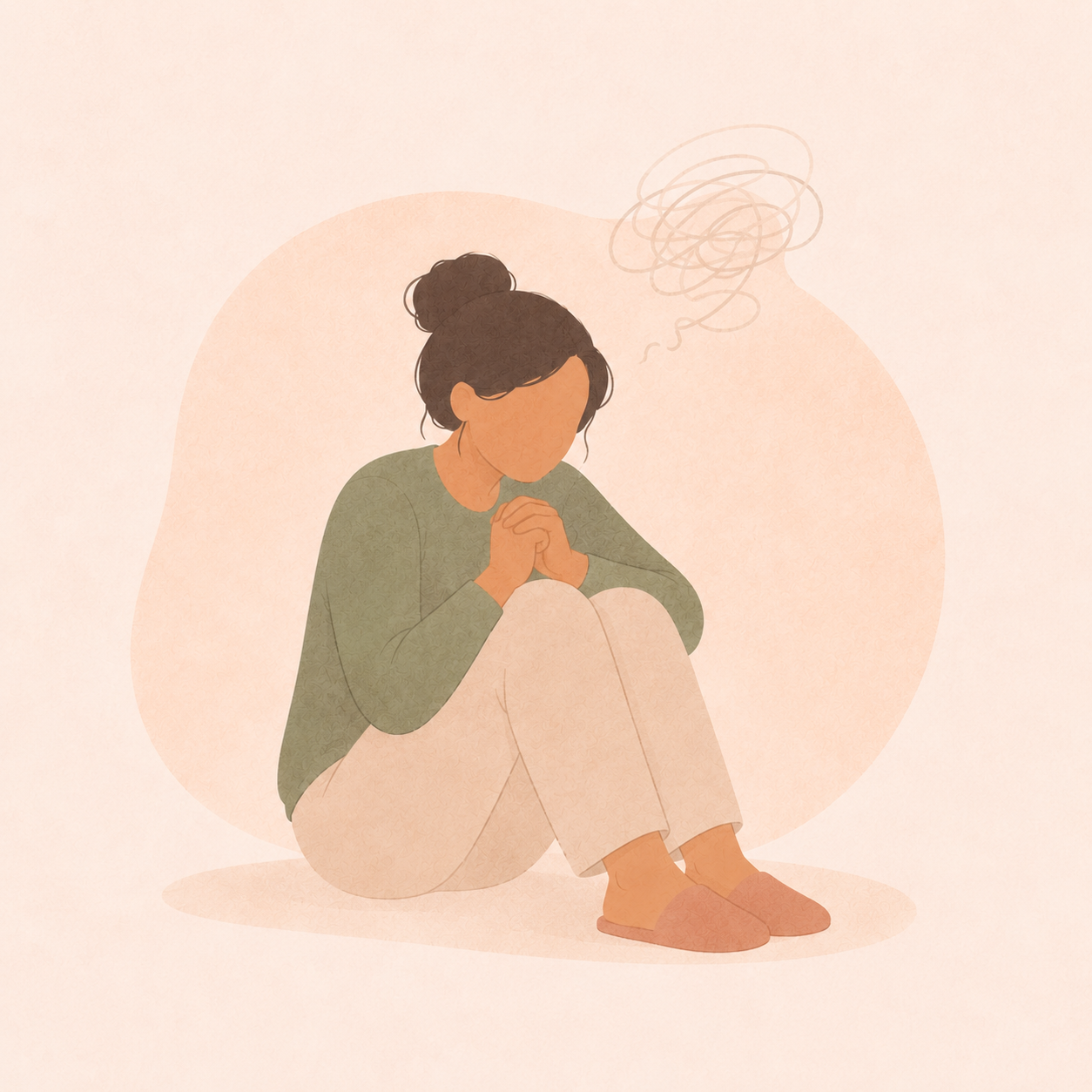
Anxiety can appear as constant worry, racing thoughts, physical tension, irritability, difficulty sleeping, social anxiety, perfectionism, or a feeling that something is always about to go wrong.You may find yourself overpreparing, replaying conversations, avoiding situations, or taking responsibility for preventing every possible problem.
Therapy can help you understand what is driving the anxiety and develop more sustainable ways to respond to uncertainty.
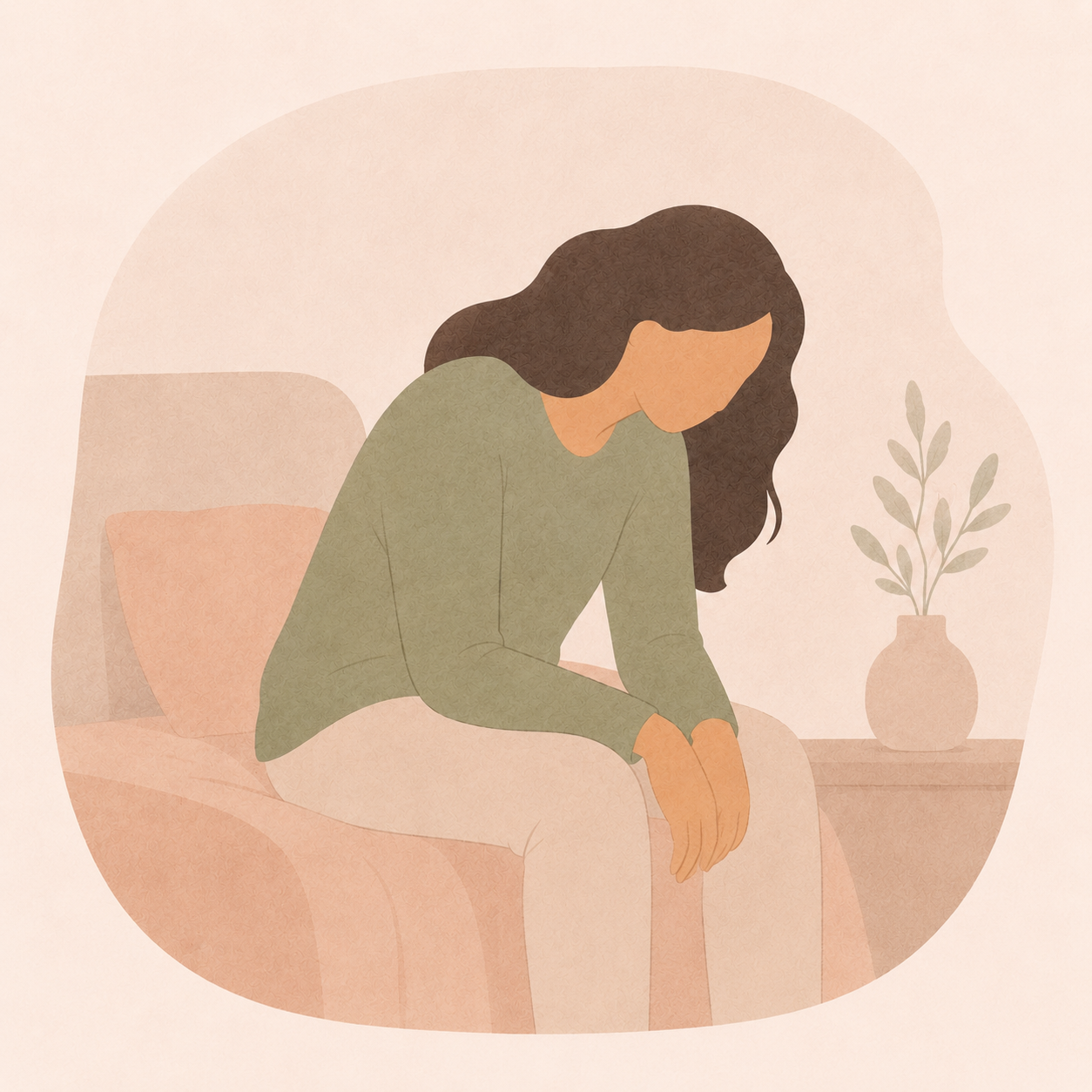
Depression does not always look like being unable to get out of bed. It may feel like numbness, disconnection, exhaustion, hopelessness, low motivation, loss of interest, or moving through your responsibilities without feeling present in your own life.
A therapist can help you explore the emotional, relational, and situational factors contributing to a low mood while working with you to rebuild connection, self-understanding, and practical coping skills.
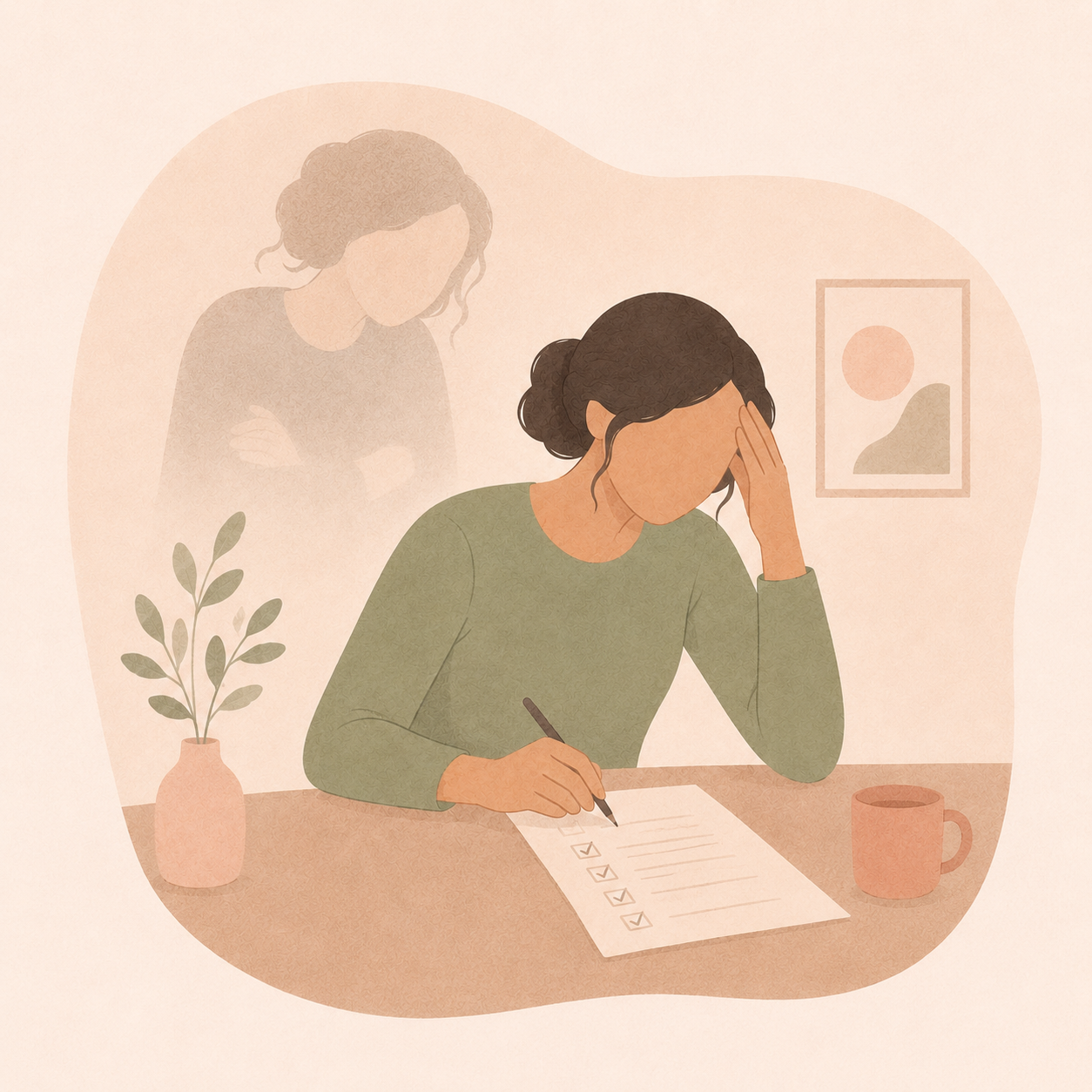
Low self-esteem can affect the way you speak to yourself, interpret other people’s behaviour, set boundaries, and make decisions. You may feel as though you must earn rest, love, approval, or belonging by being useful, successful, agreeable, or easy to be around.
Perfectionism can temporarily create a sense of safety or control, but it can also lead to burnout, procrastination, self-criticism, and fear of making mistakes. Therapy can help you build a sense of worth that is not entirely dependent on performance.

Burnout may develop when you have been functioning beyond your emotional or physical capacity for too long. You may feel depleted, cynical, emotionally detached, or unable to recover even when you have time away from work.
For women carrying responsibilities at work and at home, the problem may not be a lack of time-management skills. It may be an unsustainable amount of responsibility, invisible emotional labour, limited support, or difficulty allowing your own needs to matter.

People pleasing often develops as a way to preserve connection, avoid conflict, or stay emotionally safe. You may be highly aware of what others need while finding it difficult to identify or express your own preferences.
Over time, this can contribute to resentment, emotional exhaustion, unequal relationships, and a feeling that people know what you do for them but do not really know you.

Therapy can support women who are navigating dating, marriage, separation, divorce, family conflict, friendship changes, caregiving dynamics, or recurring relationship patterns.
You may want help communicating more clearly, understanding why certain conflicts keep repeating, recognizing unhealthy dynamics, processing betrayal, or deciding what you want from a relationship.

Trauma can continue to affect your nervous system, relationships, self-esteem, emotional regulation, and sense of safety long after an experience has ended. Some women seek therapy after a single traumatic event.
Others are coping with cumulative trauma, childhood experiences, emotional neglect, racism, displacement, gender-based violence, domestic violence, medical trauma, or prolonged exposure to unsafe relationships.
Trauma-informed therapy prioritizes choice, collaboration, emotional safety, and pacing.

Women with ADHD have historically been under-recognized, particularly when their symptoms involve inattention, overwhelm, emotional sensitivity, internal restlessness, masking, or difficulty with organization rather than visible hyperactivity.
You may feel as though ordinary responsibilities require significantly more effort for you than for other people. Repeated struggles with time, focus, memory, task initiation, or emotional regulation can also affect self-esteem.
Therapy does not replace an ADHD assessment or medical care.
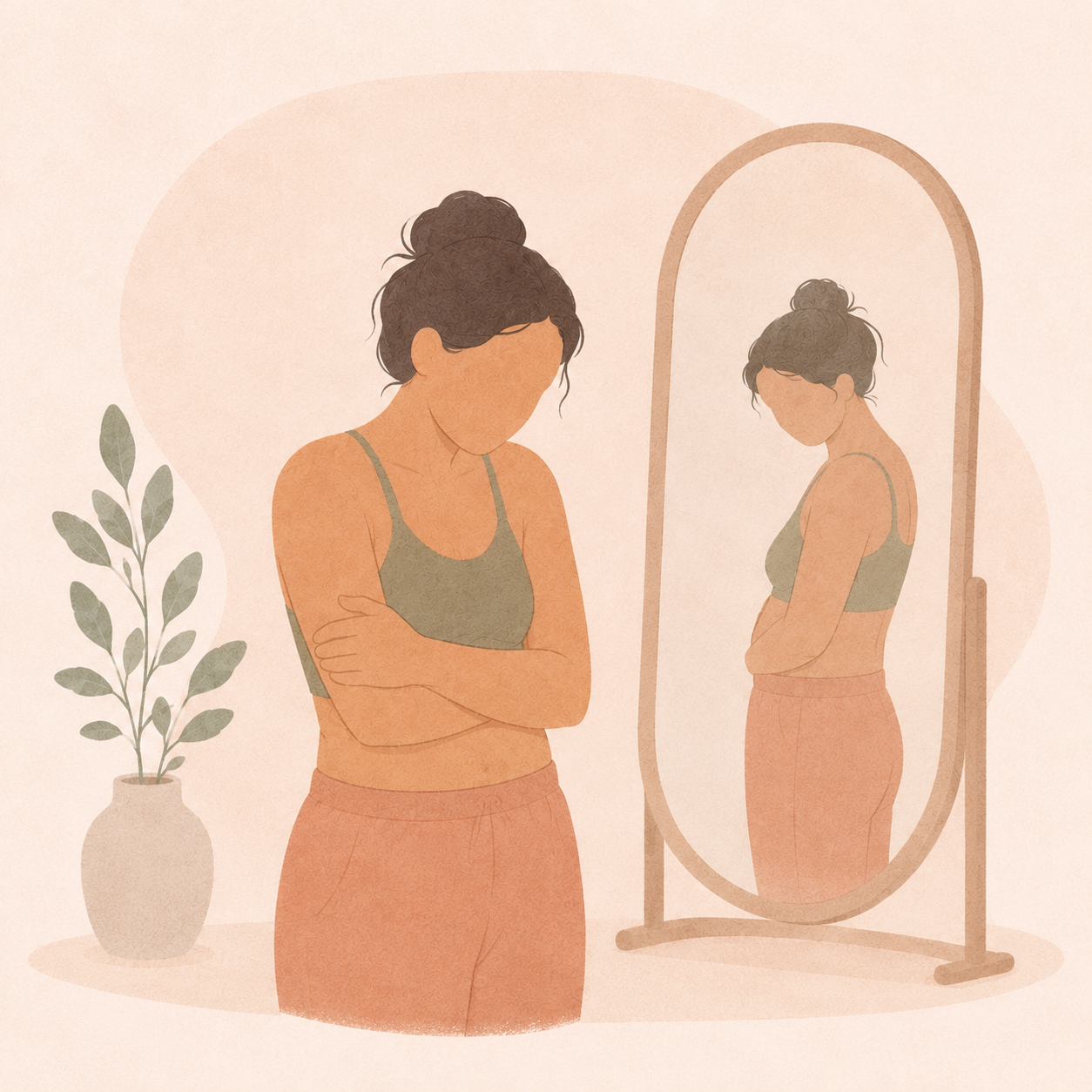
Body image concerns can affect eating, movement, relationships, intimacy, clothing choices, social participation, and how comfortable you feel being seen.
Some women also experience disordered eating or diagnosed eating disorders involving restriction, bingeing, purging, compulsive exercise, body checking, or an intense preoccupation with weight and food.
Therapy can help you explore the emotional and social meaning attached to food and body image.
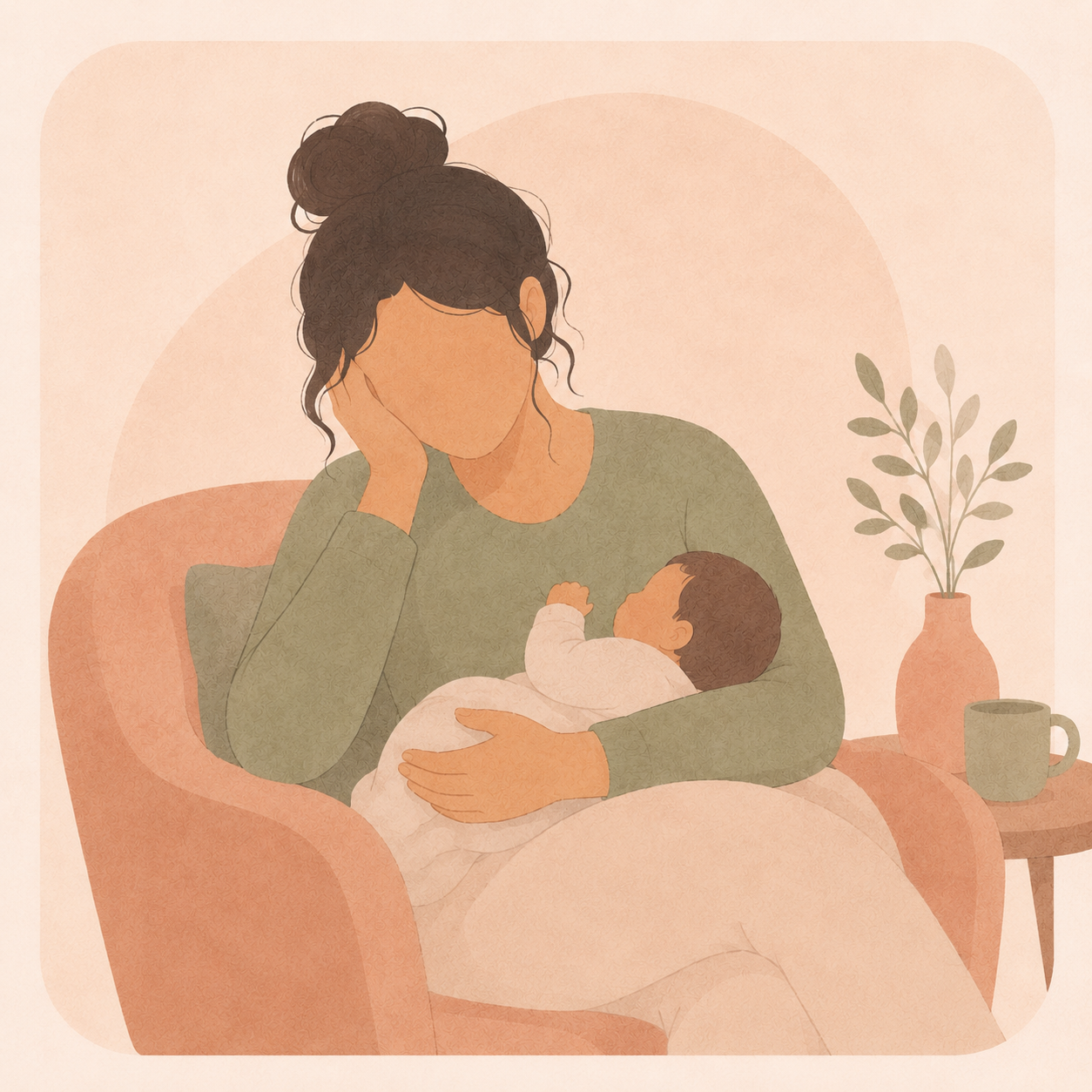
Pregnancy, postpartum recovery, and parenthood can bring love and meaning while also creating significant emotional, physical, relational, and identity changes.
You may be coping with postpartum anxiety or depression, intrusive thoughts, birth trauma, feeding concerns, sleep deprivation, isolation, relationship changes, parenting pressure, or grief for the life and identity you had before becoming a parent.

Infertility, fertility treatment, pregnancy loss, reproductive decisions, and uncertainty about becoming a parent can affect mental health, relationships, identity, and the way you relate to your body.
These experiences may involve cycles of hope, grief, anger, jealousy, guilt, and isolation. Therapy cannot remove the uncertainty, but it can help you process what is happening and find ways to care for yourself throughout it.

Hormonal and health-related changes can affect mood, sleep, concentration, energy, body image, relationships, and identity.
Women may seek therapy while navigating perimenopause, menopause, chronic illness, pain, medical uncertainty, changes in sexuality, or the emotional effects of feeling dismissed within healthcare settings.

Women may seek therapy after losing a loved one, ending a relationship, becoming a parent, changing careers, immigrating, returning to school, caring for an ageing family member, receiving a diagnosis, or entering a new stage of life.Even positive transitions can involve grief.
Therapy can help you make space for conflicting emotions while developing a clearer understanding of what you need next.
Therapy is not about fixing something that is inherently wrong with you. Many emotional and behavioural patterns began as reasonable ways to adapt to difficult circumstances, family roles, cultural expectations, unsafe relationships, or environments where your needs were not consistently acknowledged.
Therapy can help you understand those patterns with greater compassion while deciding which ones still serve you. Depending on your goals, women’s therapy may help you:
Progress will look different for every person. Your therapist will work collaboratively with you to clarify what meaningful change would look like in your life.
Wellnest therapists draw from a range of therapeutic approaches. The methods used in your sessions will depend on your concerns, preferences, goals, and the training of your therapist.
Cognitive Behavioural Therapy, or CBT, explores connections between thoughts, emotions, and behaviours.
CBT is useful when anxiety, social anxiety, depression, perfectionism, avoidance, or self-critical thinking is affecting your daily life. It can provide structure and practical strategies while helping you recognize patterns that may be reinforcing distress.
Dialectical Behaviour Therapy, or DBT, combines acceptance-based strategies with skills for creating change.
DBT-informed therapy support emotional regulation, distress tolerance, coping skills, communication, anger management, relationship challenges, and intense emotional reactions.
Eye Movement Desensitization and Reprocessing, or EMDR, is a structured therapeutic approach that help clients process distressing or traumatic experiences.
EMDR can be considered when past events continue to trigger emotional, physical, or relational responses in the present. Your therapist will discuss whether EMDR is appropriate and ensure that preparation and stabilization are part of the process.
Trauma-informed therapy centres safety, choice, trust, collaboration, and empowerment.
Rather than asking only what symptoms you are experiencing, a trauma-informed therapist also considers what may have happened to you, how you adapted, and what you need in order to feel safe enough to engage in therapy.
Mindfulness-based approaches can help you notice thoughts, emotions, and physical sensations without immediately reacting to or judging them.
Mindfulness supports anxiety, stress, perfectionism, burnout, emotional regulation, and self-compassion. It does not require you to ignore difficult circumstances or force yourself to feel calm.
Psychodynamic therapy explores how past relationships, emotional experiences, and unconscious patterns that influence your current life.
This approach is helpful when you want to understand recurring relationship dynamics, emotional responses, defence mechanisms, or long-standing beliefs about yourself and others.
Stress and trauma can affect more than your thoughts. They can also shape breathing, muscle tension, sleep, energy, physical sensations, and nervous system responses.
Somatic or body-aware therapy can help you notice these responses and develop a greater sense of safety and regulation within your body.
Parts work explores the different internal responses that may appear within you. One part of you may want change, while another is afraid of what change could cost. One part may feel angry, while another tries to keep everyone happy.
Rather than judging these responses, parts work can help you understand what they are trying to protect and build a more compassionate relationship with yourself.
For some clients, words do not fully capture an experience. Art therapy and other creative approaches can provide different ways to explore identity, emotion, memory, and personal meaning.
Availability varies by therapist, and you do not need to consider yourself artistic to benefit from a creative therapeutic approach.
If you have any other questions, check out our FAQ page. You can also reach out to us at info@wellnest.ca or call/text us at 437-333-WELL(9355).
We offer multiple ways you can pay for your therapy sessions here at Wellnest.

Find out if your insurance covers therapy

We accept credit card and Visa debt

Available by request and need
Some insurance providers cover therapy, please check with your insurance provider to see if they cover therapy.


Join our Nest to learn more about: