
Note: Some examples in this article are drawn from real therapeutic themes, with all personal identifiers removed to protect privacy.
Emotional flooding is a state in which the nervous system becomes overwhelmed by intense emotion, making it difficult—or impossible—to think clearly, communicate effectively, or regulate reactions. During flooding, the body shifts into survival mode, and reasoning gives way to instinct.
This is not a failure of character or emotional maturity. It’s a biological response driven by the nervous system, often linked to unresolved stress, trauma, or chronic emotional overload.
People experiencing emotional flooding often describe:
We asked our founder Zainib Abdullah to provide verbatim insights into this topic:
“I often hear from clients, ‘I know I’m overreacting, but I can’t stop it.’ There’s often confusion about how they can know what they would want to do differently, yet still feel completely disconnected from that knowledge in emotionally heightened moments. This is usually when I introduce the concept of emotional flooding. It’s not a lack of insight, intention, or maturity. It’s the nervous system taking over because something feels like too much, too fast. There is often so much relief in understanding that there’s both an explanation for what’s happening and a map for how we can work with it differently. ‘Name it to tame it,’ a neurobiological concept introduced by Dr. Dan Siegel, helps us understand that simply naming the emotional response begins to engage the executive centers of the brain that support regulation and help reduce the flooding response.”
The Psychology Behind Emotional Flooding
Emotional flooding begins in the amygdala, the part of the brain responsible for detecting threat. When the brain perceives danger—real or relational—it activates the fight or flight response, flooding the body with stress hormones like cortisol and adrenaline.
This activation temporarily overrides the prefrontal cortex, the area responsible for logic, reflection, and emotional regulation. As a result:
This process is deeply connected to attachment style psychology and early childhood experiences, especially in environments where emotional safety was inconsistent. Emotional flooding is not a failure of self-control—it’s a moment of nervous system emotional dysregulation.
Note: If you want therapist support from Wellnest on issues related to Decision Fatigue, consider some of these therapists:
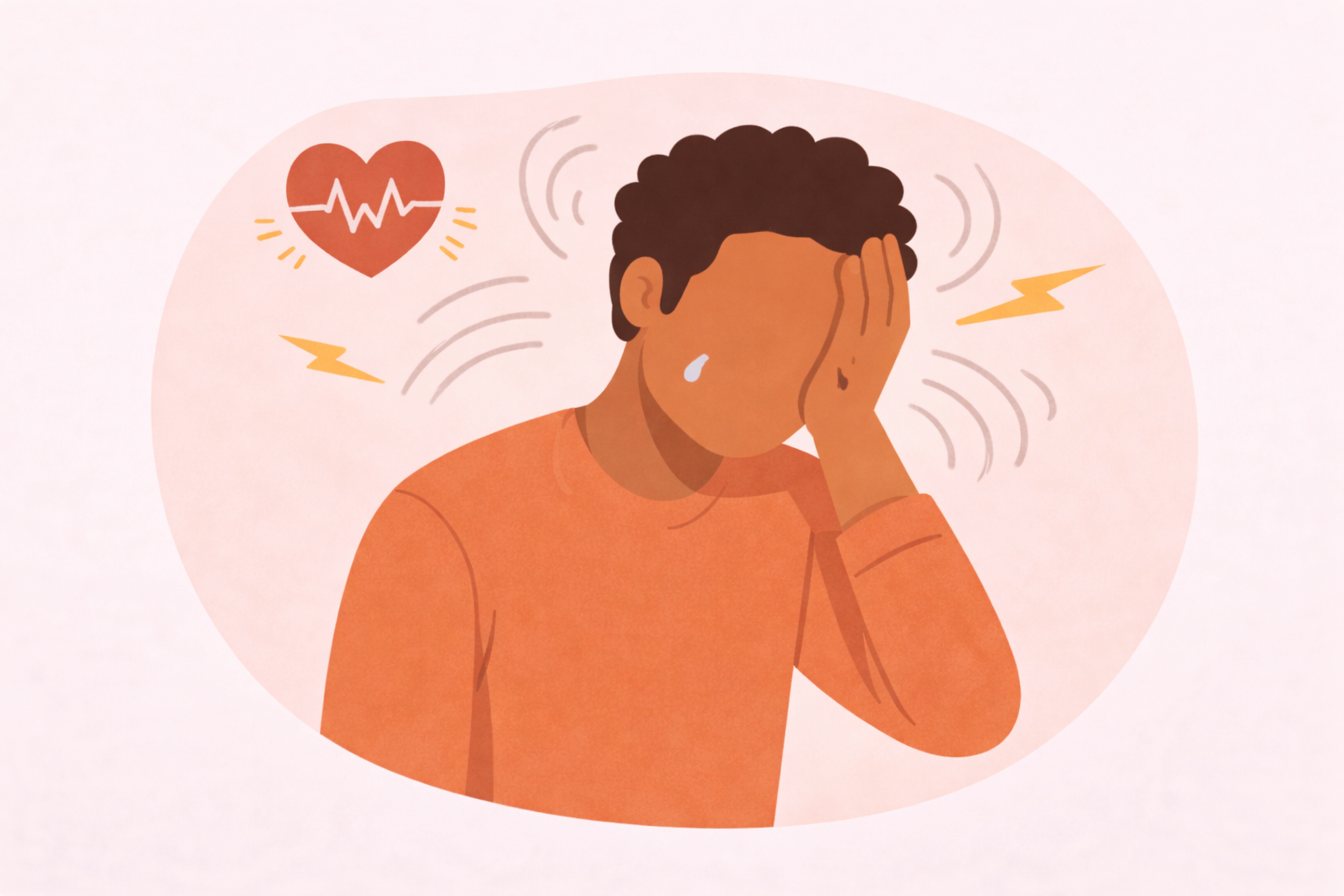
People experience emotional flooding differently, but common symptoms include:
Some describe it as being “emotionally hijacked” or frozen in place.
Zainib has some really unique insights into this:
“Most people don’t realize they’re flooded until they’re already in it. When I’m supporting clients, I often hear that they suddenly feel overwhelmed, snappy, distant, or unable to think clearly, without knowing why. I try to remind them, and myself, that the early signs are easy to miss. It might show up as a tight chest, growing irritability, mental fog, or the urge to pull away. By the time emotions feel explosive or everything shuts down, the nervous system has already moved into protection mode, doing its best to keep the person safe.”
Emotional flooding often emerges during stressful situations, especially those tied to attachment, identity, or safety.
Common triggers include:
It is especially common in people who identify with:

While emotional flooding overlaps with anxiety or panic, they are not identical.
Flooding also differs from anger—it’s not about aggression, but about overload.
Mislabeling flooding can lead to self-blame or inappropriate coping strategies, which reinforces cycles of over-apologizing, self-sabotage, overthinking, or rumination.
In relationships, emotional flooding often shows up during conflict—especially when one partner feels unheard or unsafe.
This can show up as:
This is especially common in relationships involving emotionally unavailable partners, attachment injuries, or long-term stress.

When flooding occurs, logic won’t work—regulation must come first.
Grounding strategies include:
These help regulate the sympathetic nervous system and return the body toward balance.
Zainib agrees with these strategies and more:
“It’s really important to remember that when someone is flooded, reasoning just doesn’t land. I often remind clients that you can’t think your way out of a nervous system overwhelm, no matter how insightful or self-aware you are. In those moments, the body is leading. Regulation has to come first. Slowing the breath, grounding, or creating a sense of physical safety is what helps bring the system back online. Once the body settles, people often notice that clarity, language, and choice naturally return.”
Long-term healing focuses on increasing tolerance for emotional activation rather than eliminating it.
Effective approaches include:
Over time, this supports greater emotional regulation, resilience, and a more stable sense of well-being.
Frequent flooding may indicate:
In these cases, working with a licensed professional—such as an LCSW or psychologist—can be transformative.
“In relational work, I see emotional flooding come up most often when someone feels unseen, misunderstood, or emotionally unsafe. What can look like withdrawal, defensiveness, or even escalation is usually the body trying to protect itself. It’s rarely about not caring or wanting to disconnect. More often, it’s a nervous system response saying, ‘This feels like too much right now.’ Understanding this can shift how partners relate to each other, moving from blame to curiosity and compassion.”
— Zainib Abdullah, LCSW
Emotional flooding is a deeply human response to overwhelm. It doesn’t mean you’re broken—it means your system is asking for care, safety, and support.
With awareness, compassion, and the right tools, it’s possible to move from reactivity to resilience.
If you’re navigating intense emotional responses, relationship strain, or chronic stress, support is available.
Explore therapy options at Wellnest to begin restoring emotional balance and connection.
Common symptoms of emotional flooding include a racing heart, shallow breathing, feeling frozen or panicked, difficulty thinking clearly, and intense emotional reactions that feel disproportionate to the situation. People may also notice physical symptoms like muscle tension or nausea. These reactions occur when the nervous system becomes overstimulated and moves into a protective state.
Crying more easily can reflect emotional overload, accumulated stressors, or unresolved emotional experiences. When the nervous system is taxed, emotional regulation becomes harder. This can be influenced by ongoing stress, burnout, or a lack of consistent self-care. It’s not a weakness—it’s a sign your system needs support.
Emotional hijacking happens when the brain’s threat system overrides rational thinking during conflict. According to research referenced by the American Psychological Association, emotional regulation decreases when the amygdala dominates the stress response, making calm communication difficult.
People with ADHD may experience emotional flooding due to differences in emotional regulation and impulse control. When overwhelmed, emotional responses may escalate quickly, often followed by shutdown or avoidance. This is not intentional—it reflects nervous system overload rather than lack of effort.
Common causes include chronic stress, unresolved trauma, relational insecurity, ongoing pressure to perform, and repeated exposure to emotional triggers. Many people experiencing flooding are managing multiple stressors at once without adequate recovery time.
Emotional dysregulation can include intense emotional swings, irritability, dissociation, or difficulty calming down after conflict. It may also involve internal experiences like harsh self-talk, spiraling thoughts, or feeling emotionally unsafe even in neutral situations.
World Mental Health Day can be observed by prioritizing rest, setting boundaries, and engaging in conversations that reduce stigma. Supporting mental health also includes checking in with a loved one, practicing compassion, and recognizing that mental health exists on a continuum. Learn more from the World Health Organization.
Stonewalling is a stress response where someone emotionally shuts down to protect themselves. Gaslighting involves manipulating another person’s perception of reality. While both are harmful, stonewalling is often rooted in nervous system overwhelm rather than intent to control.
When flooding occurs, pause the conversation and focus on regulating your body first. Techniques like slow breathing, grounding, or stepping away temporarily can help restore balance. Effective conflict resolution requires returning to the discussion only once your nervous system has settled.
When emotional flooding happens frequently, it may reflect deeper nervous system patterns or unresolved emotional wounds. People may notice increased emotional reactivity during times of stress, such as major life transitions, caregiving roles, or prolonged uncertainty (including during the pandemic). In cities with high demands and fast-paced lifestyles—such as New York—this effect can be amplified.
In these cases, working with licensed mental health providers can help individuals identify triggers, build regulation skills, and restore emotional balance. Therapeutic support can also help people understand how a negative thought pattern or internalized pressure contributes to ongoing distress.
If emotional flooding leads to persistent distress, relationship breakdowns, or difficulty functioning day-to-day, seeking support is encouraged. Therapy can help you understand your emotional responses, build regulation skills, and reconnect with your sense of wellness.
You may benefit from professional care if you experience:
Licensed clinicians, including LCSWs and trauma-informed therapists, can provide structured support and evidence-based care.
Join our Nest to learn more about:


