
Note: Some examples in this article are drawn from real therapeutic themes, with all personal identifiers removed to protect privacy.
An emotionally unavailable partner is someone who struggles to form, express, or sustain deeper emotional connection. They might show affection inconsistently, avoid difficult conversations, or remain non-committal even in a long-term relationship. For many people, this creates relationship anxiety, confusion, emotional numbness, and a feeling of being alone with someone.
This article will help you recognize red flags, understand the psychological roots of emotional unavailability, and explore how to cope, heal, or make empowered decisions that support your wellbeing, self-worth, and emotional needs.
We've asked our founder and lead psychotherapist Zainib to provide verbatim feedback through this article, here's what she had to say on the topic generally:
As a therapist who works both individually and with couples, I very often support people who feel unseen in their relationships. They may experience their partner as not fully attuned to them, or notice that affection feels inconsistent or unpredictable. Over time, this can create a lot of pain and self-doubt.
She also adds;
What we often come to understand together is that these relationship dynamics can mirror earlier experiences with primary caregivers. Many of us are drawn, unconsciously, into relationships that feel familiar, even when they are difficult. In this way, we may be replaying old patterns, not because something is wrong with us, but because part of us is still hoping to resolve wounds that were never fully met or repaired in childhood.
Emotional unavailability describes patterns where a person avoids emotional intimacy, struggles with vulnerability, or maintains emotional distance even when they desire closeness. Many emotionally unavailable people developed protective habits linked to attachment style psychology, early childhood experiences, or coping responses to past trauma.
Some may have avoidant attachment, shaped by family-of-origin dynamics that encouraged independence over emotional expression. Others may struggle with underlying mental health challenges such as high functioning depression, high functioning anxiety, or trust issues psychology, which influence how emotionally available they can be.
Emotional unavailability is not inherently malicious. It's often a trauma response independence pattern—an unconscious defence against perceived emotional threat.
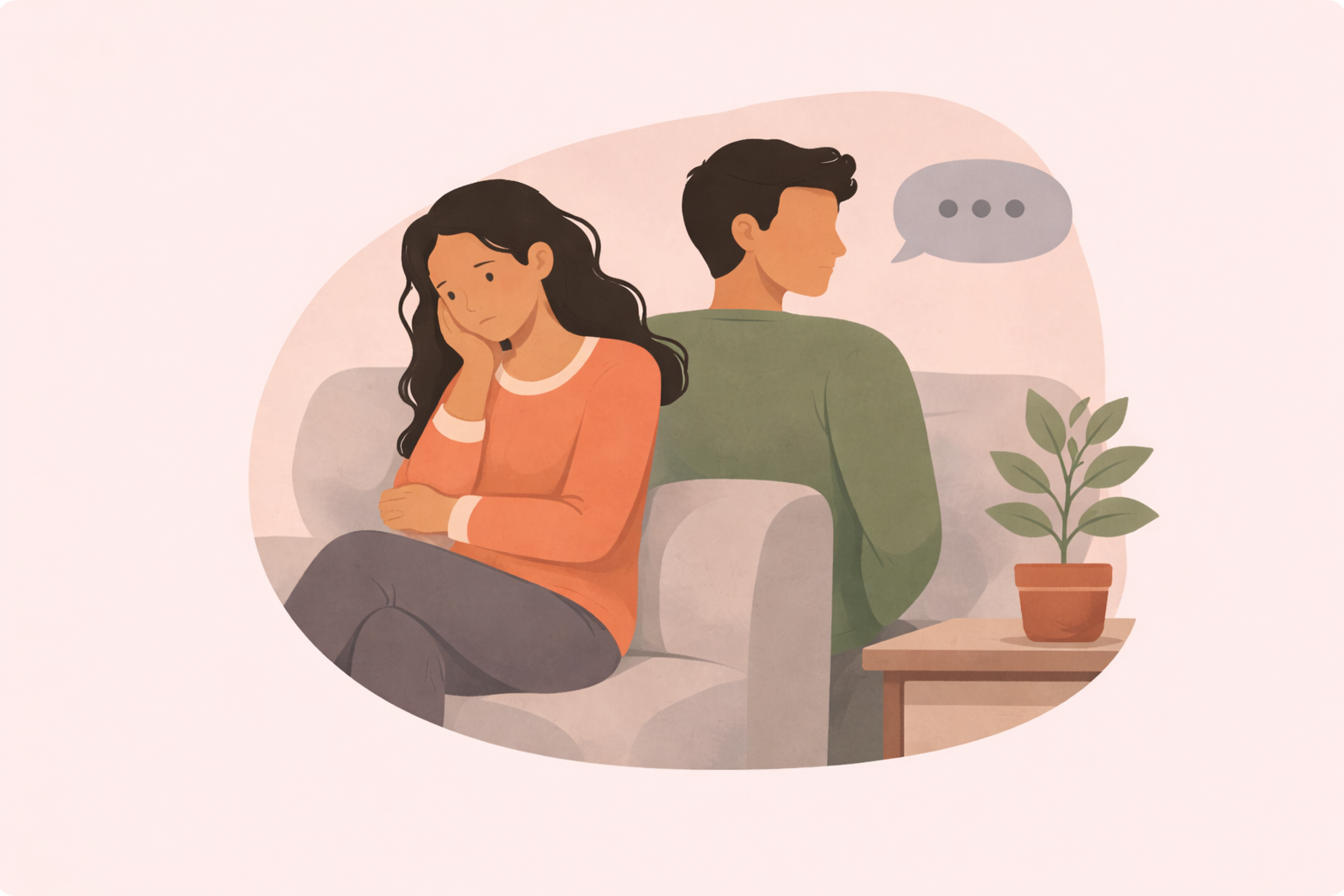
While signs vary, common indicators include:
You may also notice difficult conversation avoidance, conflict avoidance, over apologizing, or people pleasing psychology emerging in yourself as you work harder to maintain connection.
Zainib has seen and dealt with many clientele that deal with this issue, here's her take:
One of the most common misconceptions I see in relationships is how quickly emotionally unavailable people become villainized. We often focus on the impact of the behaviour, which is real and painful, but we lose sight of the fact that emotional unavailability is often a protective strategy. These patterns usually develop in response to very difficult early childhood experiences or significant trauma, where emotional closeness did not feel safe, reliable, or possible.
She furthers her rationale that there could be something else going on in the relationship (not taken at face value);
At times, what shows up as emotional disconnection is not only about attachment style. It can also be linked to undiagnosed or untreated mental health conditions that make emotional presence and atunement much harder. When this is the case, the person who feels unavailable may not fully understand what is happening internally. They may not know that help is needed, where to seek it, or how to recognize the signs early on.
And cautions if a relationship gets to this stage;
Without that awareness or support, relationships can slowly erode. By the time the pain becomes visible, there may already be so much distance and rupture that it feels too late to repair. This is why it’s so important to pay attention to changes in how we connect with one another. As deeply relational beings, our capacity to connect is not just a nice-to-have, it’s central to how we survive, regulate, and ultimately thrive.
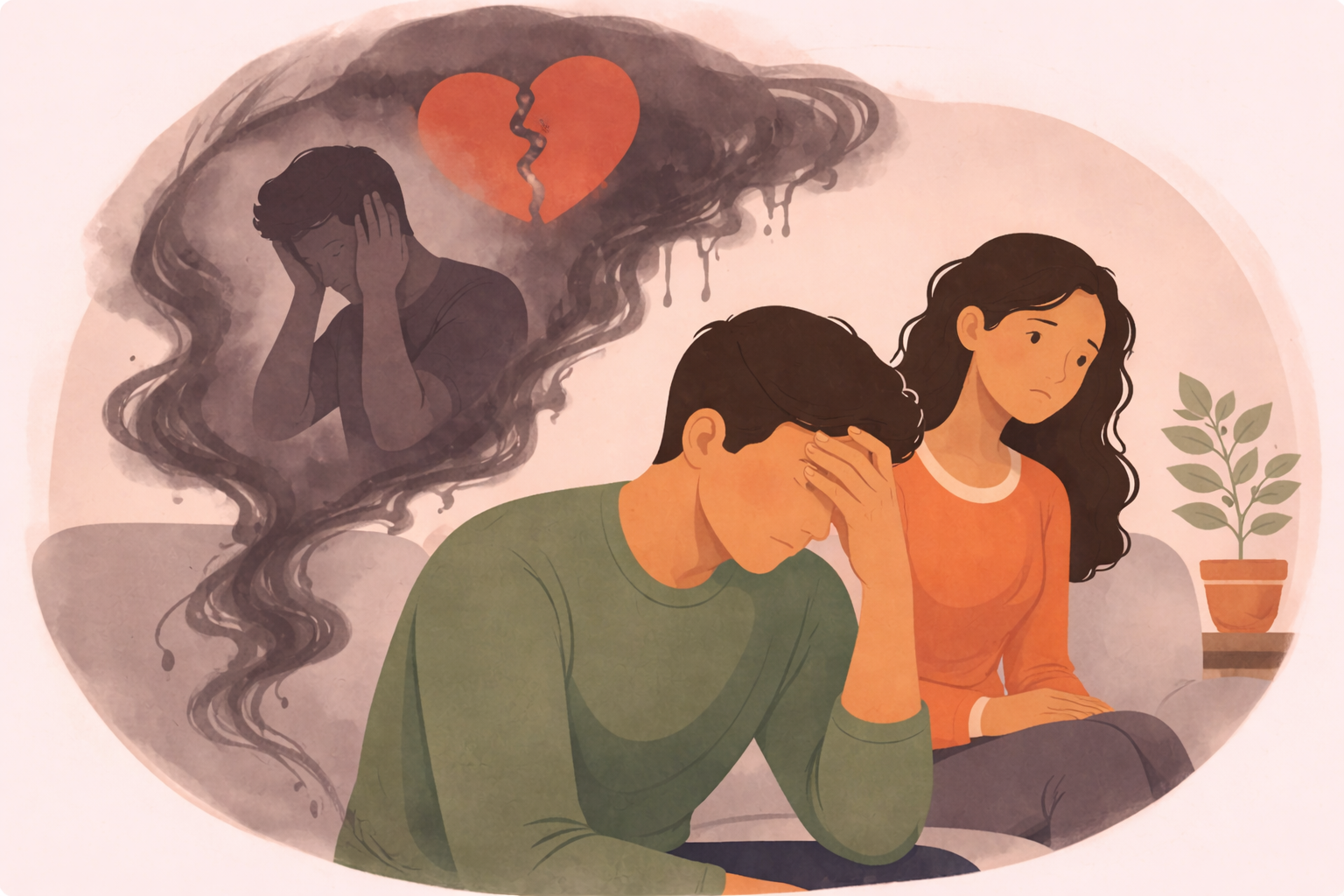
There are many psychological roots behind partner’s emotional unavailability, including:
Anxious attachment or avoidant attachment can stem from childhood emotional neglect or inconsistent caregiving.
Trauma creates protective responses that limit vulnerability and emotional expression.
Some people withdraw to protect themselves from losing relationships.
High functioning anxiety, invisible burnout, ADHD, or depression can make emotional consistency difficult.
Family models often teach that emotions are unsafe, inconvenient, or burdensome.
Emotional unavailability doesn't just impact the relationship — it affects your well-being, sense of emotional identity, and mental health.
You may experience:
Many partners begin falling into validation seeking, codependent patterns, or self-sabotage signs as they try harder to “earn” affection. Trust issues may increase, and in some cases, individuals may quietly begin quiet quitting mental health, slowly withdrawing emotionally themselves.
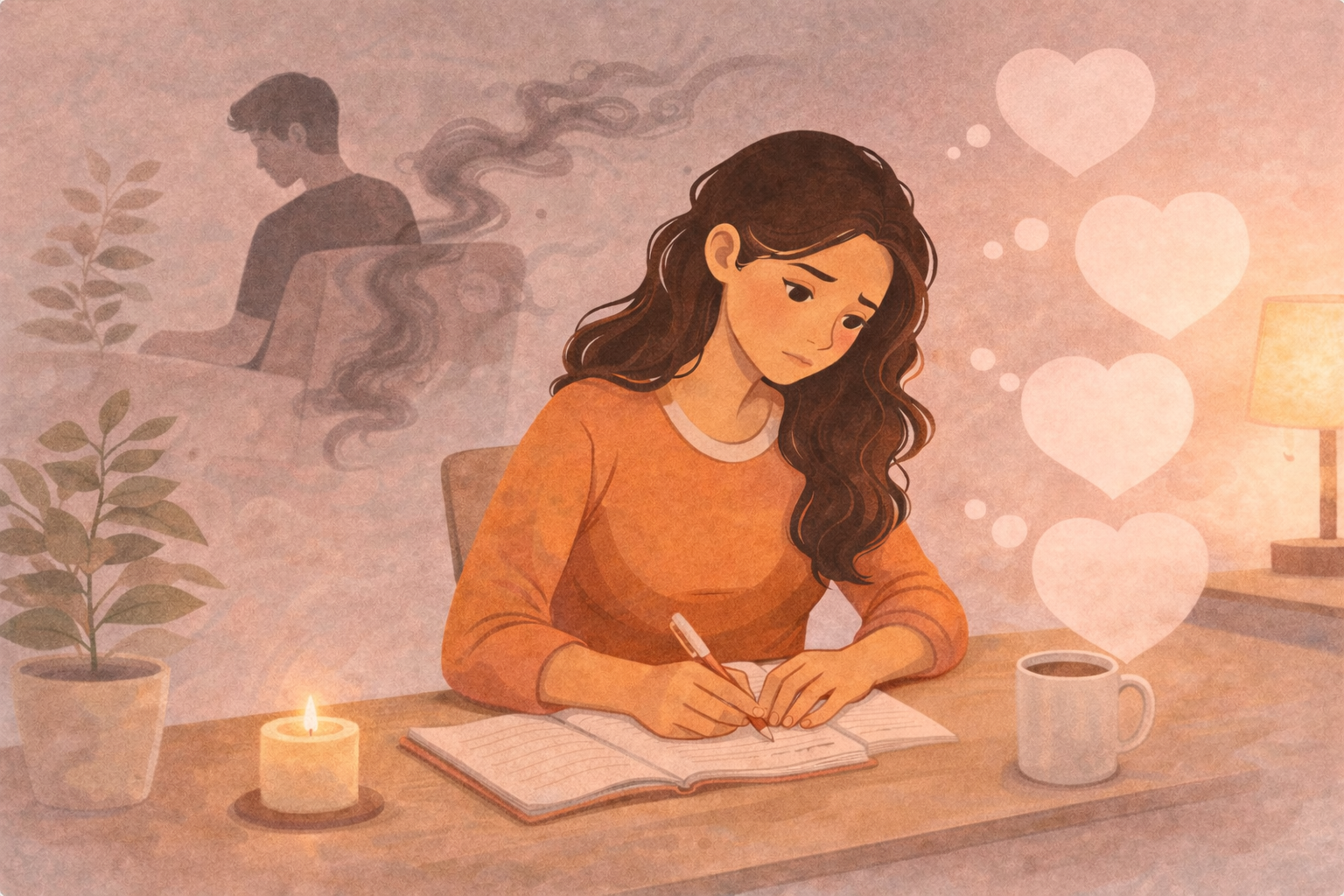
You cannot “fix” an emotionally unavailable partner—but you can support your own healing, clarity, and emotional empowerment.
Clarify your emotional needs, patterns, and expectations. Helps with self-awareness and distinguishing your true self from survival behaviours. Just like mental health or anxiety prompts, mantras and writing things down
Identify where emotional closeness is mutually possible versus where you’re over-functioning.
Boundary setting struggles are common—but essential.
Build self-worth internally rather than relying exclusively on your partner.
Practice self-compassion during moments of emotional distance.
This reduces shame and increases compassion for both partners.
Therapy helps you reconnect with your emotional level, reduce abandonment anxiety, and understand whether your long-term relationship is meeting your needs.
Zainib has a lot of important feedback on strategies to combat this issue:
What I think is really important to understand is that when patterns like stonewalling or emotional withdrawal show up in a relationship, they are often signals that something has been happening for a long time. Sometimes this pattern develops over time, and other times it has always been the person’s way of coping in relationships. Either way, it invites curiosity, not just about the withdrawing partner, but also about how we ourselves respond to that withdrawal.
An important part of the work is looking at the impact this dynamic has on you. What does your partner’s withdrawal activate in your nervous system? How does it affect your sense of safety, worth, or connection? This is where your own attachment history matters. Understanding what gets triggered, and why, can help you make sense of your reactions rather than judging them.
Focusing on your own healing and regulation can open up different possibilities. For some, it creates space for more grounded and fruitful conversations, and may even support inviting an emotionally unavailable partner into collaborative therapeutic work. For others, it can bring clarity and empowerment around moving differently in the relationship, or, at times, making the difficult decision to step away if engagement and repair are not possible.
Even that choice requires courage, awareness, and a deep understanding of our own attachment patterns. When we don’t attend to our own responses, our reactions to withdrawal can unconsciously feed the very cycle we are trying to break. Healing, then, is not only about changing the other person, but about understanding how we show up when connection feels threatened, and learning new ways of responding that are rooted in self-trust and care.
You may benefit from therapy if you:
Therapy can help you:
Move toward fulfilling relationships that support your wellness
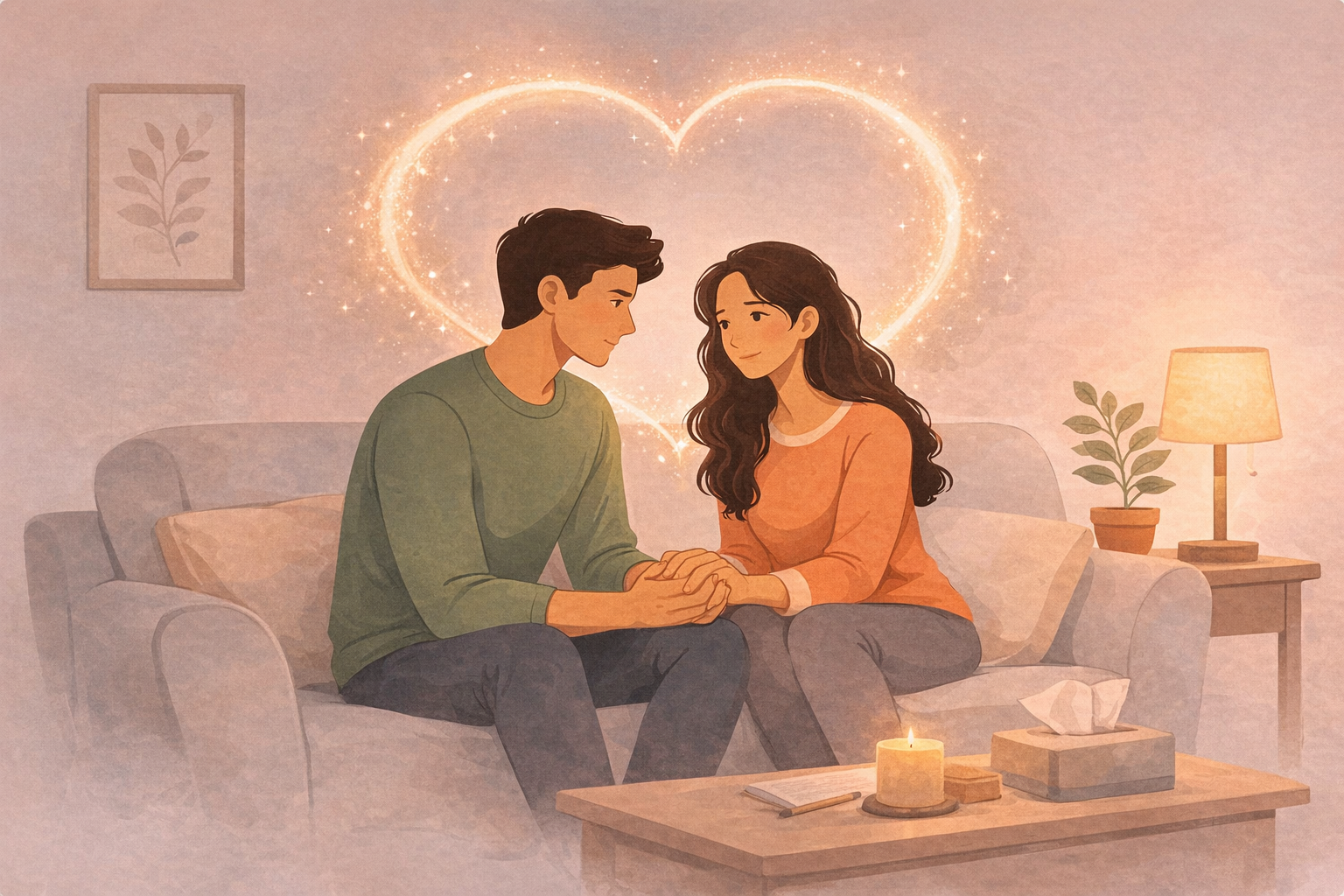
Emotional intimacy and closeness are fundamental human needs. Wanting to feel seen, heard, and valued is not too much—it’s part of being human.
If you’re navigating a relationship with an emotionally unavailable partner, you’re not alone. You can explore your options, honour your emotional needs, and take meaningful steps toward healing.
If you're struggling in silence, you don’t have to navigate this alone. Our team at Wellnest is here to support you toward clarity, compassion, and emotional connection, connect with is now to start your healing journey.
Often a combination of attachment wounds, early emotional neglect, past trauma, or coping strategies developed in childhood to avoid vulnerability.
Look for avoidance of emotional intimacy, inconsistencies in closeness, shutdown response during conflict, or reluctance to discuss feelings or future plans.
Yes. Compassion matters, but you’re also allowed to protect your emotional wellbeing and pursue healthy relationships.
Diet influences energy, mood stability, inflammation, and stress response—affecting emotional regulation and resilience.
Often linked to attachment style, family-of-origin patterns, or unconscious attempts to “repair” earlier relational wounds.
Set boundaries, focus on your emotional needs, encourage therapy, and avoid over-functioning or losing your sense of self.
It can—if both partners actively work toward emotional availability, communication, and healing.
Yes, with self-awareness, therapy, and willingness to learn emotional expression and regulation.
Emotional distance, inconsistency, difficulty with vulnerability, dismissing feelings, or being non-committal.
Growth is possible when the individual is motivated, supported therapeutically, and willing to confront their emotional barriers.
Join our Nest to learn more about:


