
Note: Some examples in this article are drawn from real therapeutic themes, with all personal identifiers removed to protect privacy.
Validation seeking is the tendency to rely on external validation, praise, or reassurance from others—whether through social media, loved ones, or other external sources—to feel secure or worthy. In plain language, validation seeking is when your sense of self-worth depends heavily on how others respond to you. It is a normal psychological need, but when it becomes excessive, it can lead to validation-seeking behaviors, low self-esteem, emotional pain, and a weakened relationship with your true self.
This article explores validation seeking through a mental health lens, grounding the discussion in developmental psychology, attachment theory, and therapeutic practice.
If you’ve ever felt unsure of a decision until someone approved it—or felt the constant need for reassurance—you’re not alone. These experiences are common, especially when someone is coping with anxiety, depression, rumination causes, feeling stuck in life, or loneliness symptoms.
Here's what Zainib Abdullah, our lead Therapist says specifically about this:
We all need validation as human beings. One of the things I make sure to clarify for those I support in therapy is that wanting validation is a normal human need, and it does not make you needy. Our self-esteem and sense of worth are often shaped by early experiences of validation we received from caregivers or others in our environment.If you struggled with early experiences or environments that were invalidating or misattuned to your needs, not necessarily because caregivers were terrible, but because trauma can be cyclical or there may have been a mismatch in nervous systems between caregiver and child, it can lead to an excessive need for validation and difficulties trusting yourself. I see this so often in therapy.
She also adds:
It is also important to recognize that living in environments shaped by capitalism and racism can impact our sense of self-worth and how we view ourselves, contributing to challenges around shame and validation seeking.I often encourage people to be kind to themselves and to recognize the human need for validation, while also reflecting on when it becomes intertwined with an excessive reliance on the environment to support our sense of self.

Validation seeking has deep roots in attachment style psychology, early childhood experiences, and the way emotional needs were met (or unmet) growing up. When a child receives inconsistent emotional support, criticism, or emotional neglect, they may learn to look outward for reassurance rather than inward.
Common contributors include:
Children who received praise only when they performed well may develop perfectionism anxiety and rely on external approval to feel secure.
People with abandonment anxiety or relational trauma may feel safer when others validate them.
Without a strong internal foundation, approval becomes a coping mechanism to counter negative thoughts, self-doubt, or overthinking psychology patterns.
Certain personality disorders can intensify reliance on external approval as a way to regulate emotions.
Healthy validation from loved ones supports connection and well-being.
Excessive validation seeking generates decision fatigue, productivity anxiety, worst case scenario thinking, and self-sabotage signs, leading to emotional exhaustion and a fragile internal identity.
Zainib sees this regularly with her patients:
In an age of hyper-diagnosis, many people come into therapy already labeling themselves. I often meet folks who are worried that something is “wrong” with them because they recognize certain patterns and immediately assume those patterns must mean a diagnosis. What feels important to name is that so much of our human experience exists on continuums rather than in fixed categories.
And she speaks to many other aspects of validation seeking in a spectrum:
Validation-seeking is a good example of this. On one far end of the continuum, the DSM-5 describes Dependent Personality Disorder, a severe and relatively uncommon presentation in which a person struggles significantly with decision-making, taking responsibility for their life, and may go to extreme lengths to obtain support or reassurance from others. This level of severity can be very impairing, but it is not where most people live. What I see far more often in therapy is something much more nuanced. Many people begin to worry that they are “too dependent” when, in reality, they are responding in very understandable ways to their life experiences. Especially for those who have grown up with childhood trauma, racial trauma, xenophobia, or intergenerational wounds, seeking validation can be a learned survival strategy rather than a pathology. It can reflect environments where safety, affirmation, or consistency were not reliably available.
but there is hope and validation seeking isn't necessarily ALL bad:
On the healthier end of the continuum, validation-seeking simply means recognizing that we are relational beings. It looks like knowing we sometimes need reassurance, having people in our lives we can turn to, and gradually learning how to validate ourselves as well. It also includes offering ourselves compassion rather than shame when we notice that need arise.
This is where social media comes into play:
It’s also important to situate all of this within the social context we are living in. Social media adds a powerful layer of complexity to validation-seeking patterns. The constant exposure to other people’s lives, the pressure to curate and perform our own, and the relentless comparison can place an enormous cognitive and emotional load on the system. For someone already struggling with self-worth or decision-making, these dynamics can intensify existing patterns and make them feel more entrenched. Comparison becomes constant. And constant comparison erodes trust in the self.
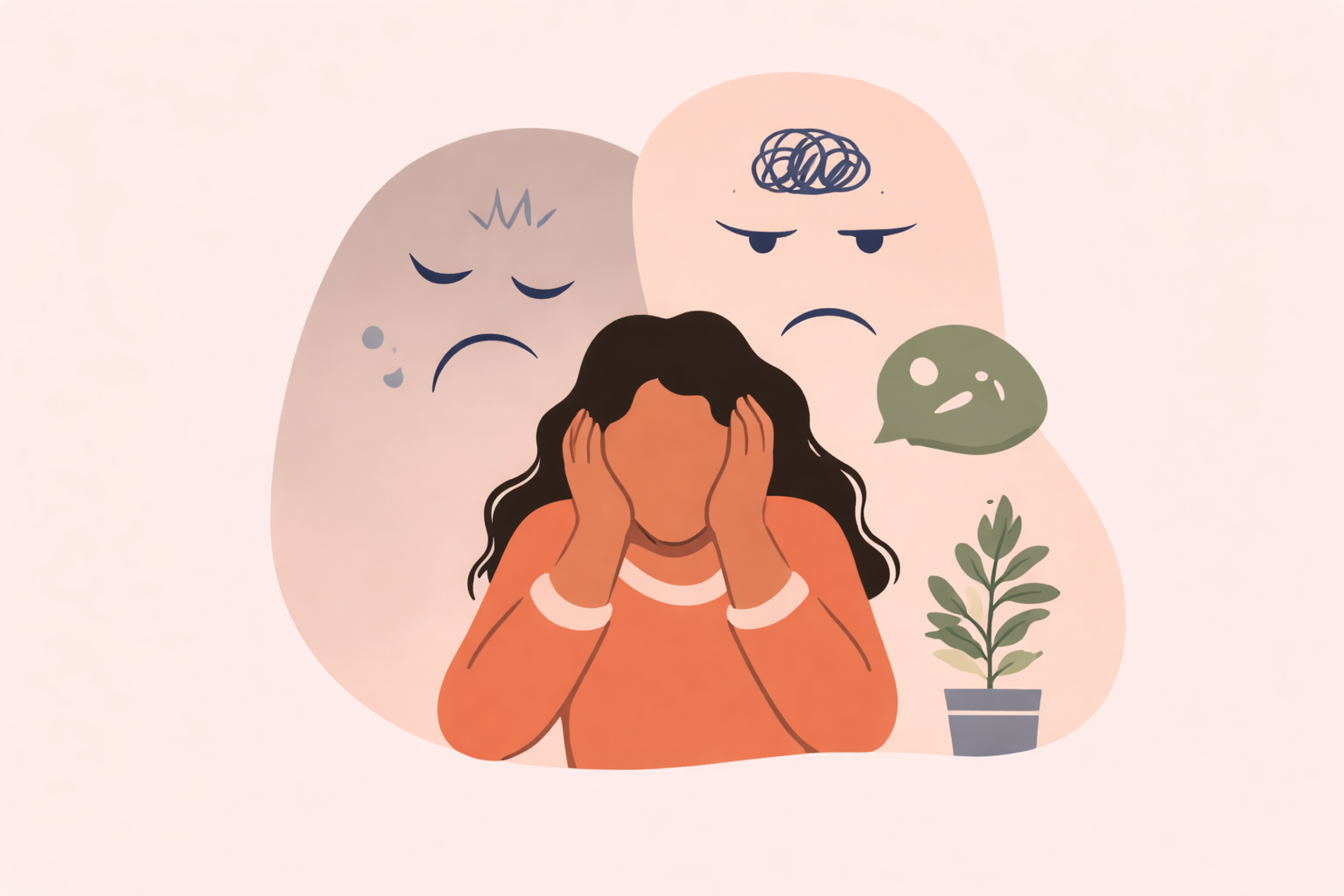
Excessive validation seeking can significantly impact mental health. It often appears alongside:
When someone depends on external approval to regulate their inner world, they may experience cycles of reassurance, distress, and criticism sensitivity—especially in romantic or work environments.
Here's Zainib take on how mental health is affected by Validation seeking:
In our practice at Wellnest, we work with many different concerns, and one that comes up again and again is low self-esteem or a fragile sense of self-worth. As therapists, we see how patterns like validation-seeking develop as survival strategies. They make sense in the context in which they formed, but over time they can also begin to limit us.
When these patterns go unexamined, they can quietly shape how we move through the world. They can affect how confidently we make decisions, how freely we express ourselves, and how safe it feels to take up space. Without awareness or healing at the root, we may keep reaching for validation in ways that soothe anxiety in the short term but prevent us from fully living or trusting ourselves.
Over time, repeating these patterns strengthens the same neural pathways again and again. What began as a protective response can become habitual, reinforcing self-doubt and narrowing our sense of possibility. That’s often when people notice that it’s not just about reassurance anymore, it’s about how these patterns are shaping their confidence, their relationships, and the way they show up in the world.
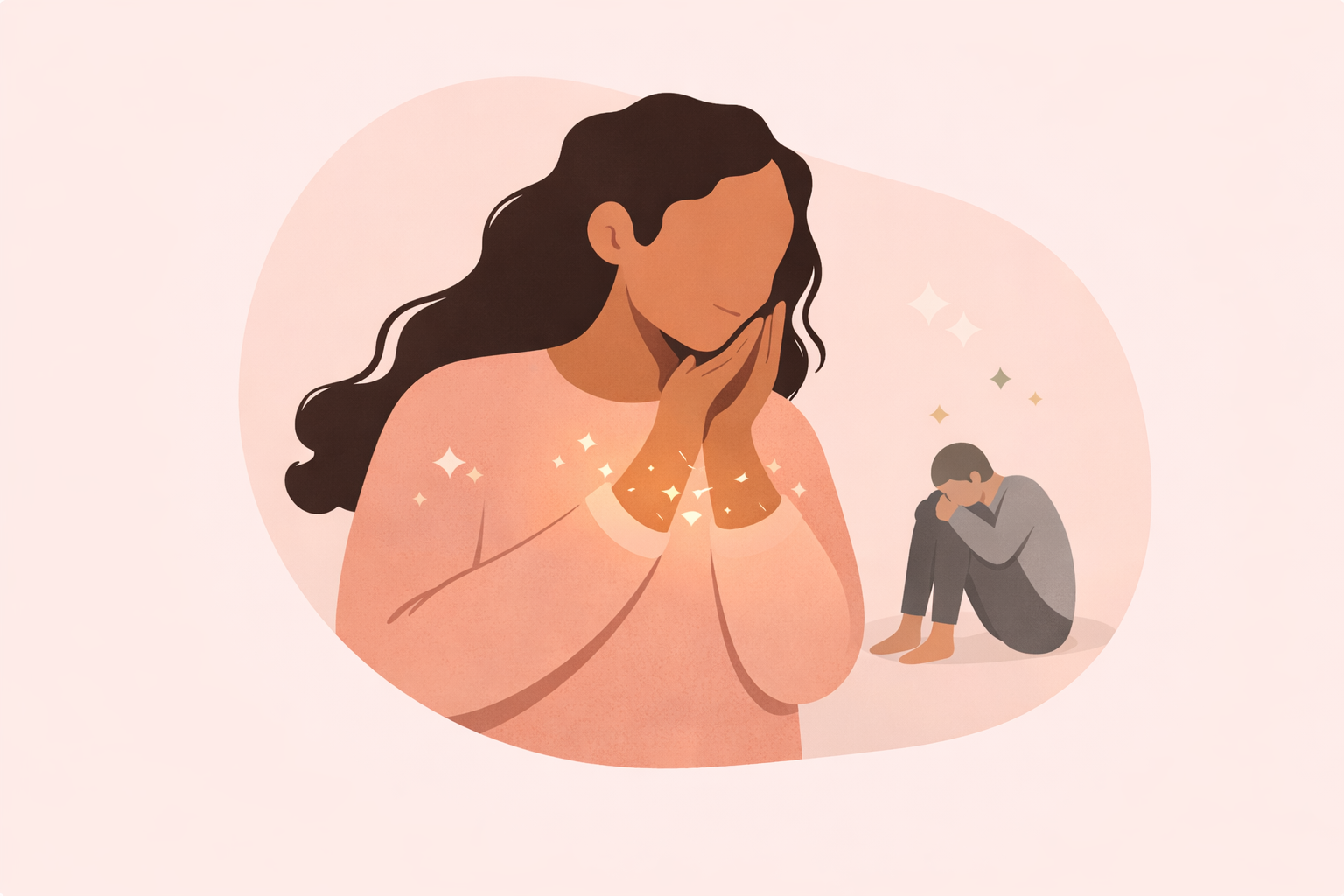
Healing involves strengthening your capacity for internal validation, developing self-reflection, and reconnecting with your internal compass. Take your time with these suggestions, and give yourself permission to go slowly. Pause to breathe, take breaks if it starts to feel overwhelming, and reach out for support when you need it.
Acknowledge your feelings without judgment. This develops self-trust and reduces dependence on others.
Think of validation as happening in three stages. At first, it’s simply about naming the emotion and noticing what’s present. The next stage is allowing that emotion to exist without judgment, even if you don’t like it or wish it weren’t there. The deepest level of self-validation comes with understanding why you’re feeling what you’re feeling, and how it fits into the larger context of your experiences, your history, and what your system has learned over time.
See our article on mental health journaling prompts and our prompts for anxiety.
Using approaches inspired by cognitive behavioral therapy, challenge thoughts such as:
“If they don’t like this choice, it means I’m wrong.”
Reframe to:
“It’s okay for someone to disagree—my decision is still valid.”
Mindfulness helps regulate emotional flooding, reduce rumination, and reconnect with your sense of self-worth.
Prioritize emotional recharge, especially if you’re prone to burnout or people-pleasing psychology patterns.
6. Seeing Validation Seeking as only a part of you
When you notice the urge to seek validation, try to approach it through parts language rather than self-criticism. You might start by gently naming what’s happening, noticing that a part of you is wanting reassurance right now. Pause for a moment and take a slow breath, reminding yourself that nothing needs to be fixed immediately. From there, get curious about that part and what it’s afraid of, asking what it’s trying to protect you from or what it needs in this moment.
Often, underneath the urge for validation is a need for safety, closeness, or to feel seen. Before reaching outward, see if you can offer some internal validation by letting the part know that its feelings make sense and that you’re here with it. You can thank this part for how it learned to keep you safe, and then intentionally choose your next step, whether that’s grounding yourself, soothing your body, or reaching out for support.
Throughout this process, it can help to remember that this is only one part of you, not the whole of who you are, and that change happens slowly through gentleness and consistency rather than pressure.
7. Learn to regulate your nervous system
When validation-seeking shows up, it’s often a sign your nervous system is in a sympathetic, activated state. Instead of going straight to reassurance, try regulating your body first. Notice the activation and offer gentle support through somatic movement, slow breathing, a weighted blanket, a warm shower, or humming. These small practices can help settle the system and reduce the urgency to seek validation.

Therapy may be helpful when:
Therapists help uncover the roots of validation seeking, often connected to early emotional patterns, relational trauma, or internalized beliefs.
Validation seeking is human. Wanting to feel seen, valued, and understood is part of healthy connection. But when approval becomes a requirement for self-worth, it can limit your personal growth, emotional resilience, and ability to make decisions confidently.
With the right support, you can learn to balance external connection with strong internal grounding, rebuilding a relationship with your true self.
If you’re navigating validation struggles, relationship patterns, or cycles of overthinking regardless of where you are, Toronto, Vancouver, Brampton or Mississauga - Wellnest can help guide your healing.
This article is for educational purposes only and is not a substitute for medical advice, diagnosis, or psychotherapy.
Validation-seeking is the habit of relying on others’ reassurance or approval to feel confident, worthy, or emotionally regulated.
It often stems from childhood experiences, emotional neglect, or attachment-related insecurity where internal validation was not adequately modeled.
No. It is a behavior, not a diagnosis. However, extreme approval-seeking behavior may be associated with anxiety, personality patterns, or unhealed emotional wounds.
Therapists often recommend self-reflection, internal validation practices, CBT techniques, mindfulness, and gradually reducing reliance on external sources.
Constant validation often fills gaps in self-esteem or emotional security, especially when someone wasn’t affirmed consistently growing up.
Not all validation seeking is narcissistic. Narcissism involves entitlement and lack of empathy; validation seeking stems from insecurity, not superiority.
Excessive validation seeking can increase anxiety, depression, emotional exhaustion, dependence, and difficulty forming stable relationships.
Taking regular breaks helps reduce comparison, external approval habits, and emotional overwhelm triggered by online engagement.
It leads to indecision, poor leadership boundaries, reduced innovation, and over-reliance on others’ opinions.
Yes. Increasing tolerance helps you regulate emotions internally, reducing the emotional impact of others’ reactions.
Start with mindfulness, self-compassion, internal validation, boundary setting, and therapeutic exploration.
Practice internal validation daily, engage in self-care, challenge negative thoughts, and work with a therapist to build a stable internal identity.
Join our Nest to learn more about:


